
Features
Everything it does.From the first document to the day itself.
One case, followed all the way: a dismissal at work, from the letter that ended it to the hearing.
It catches what doesn’t add up.
When two of your documents disagree, it cuts both passages from their pages and puts them in front of you. No hunting through the chat.
The dismissal letter says there were two written warnings. The only email from that time invites the employee to a quick catch-up. The app cuts both passages from their pages and shows them together as a finding, for the person to settle.
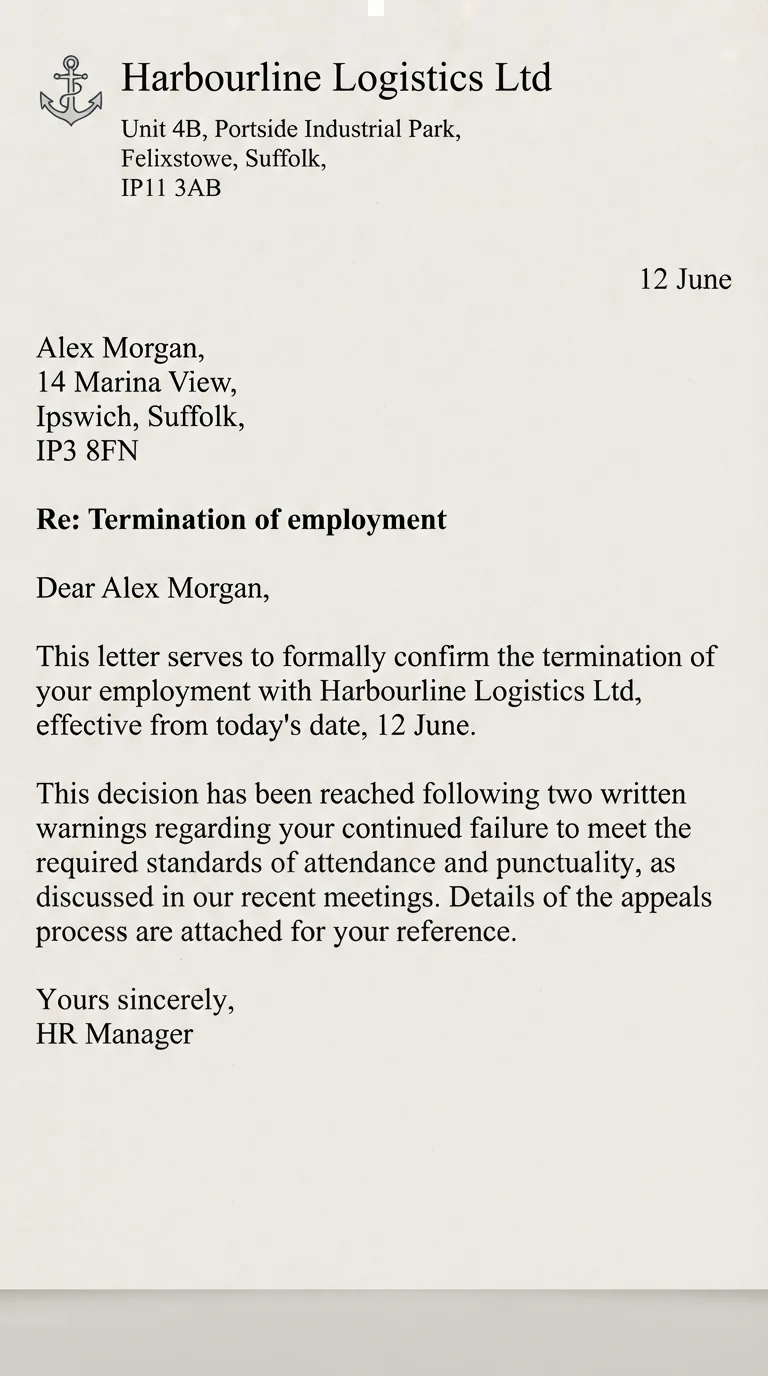
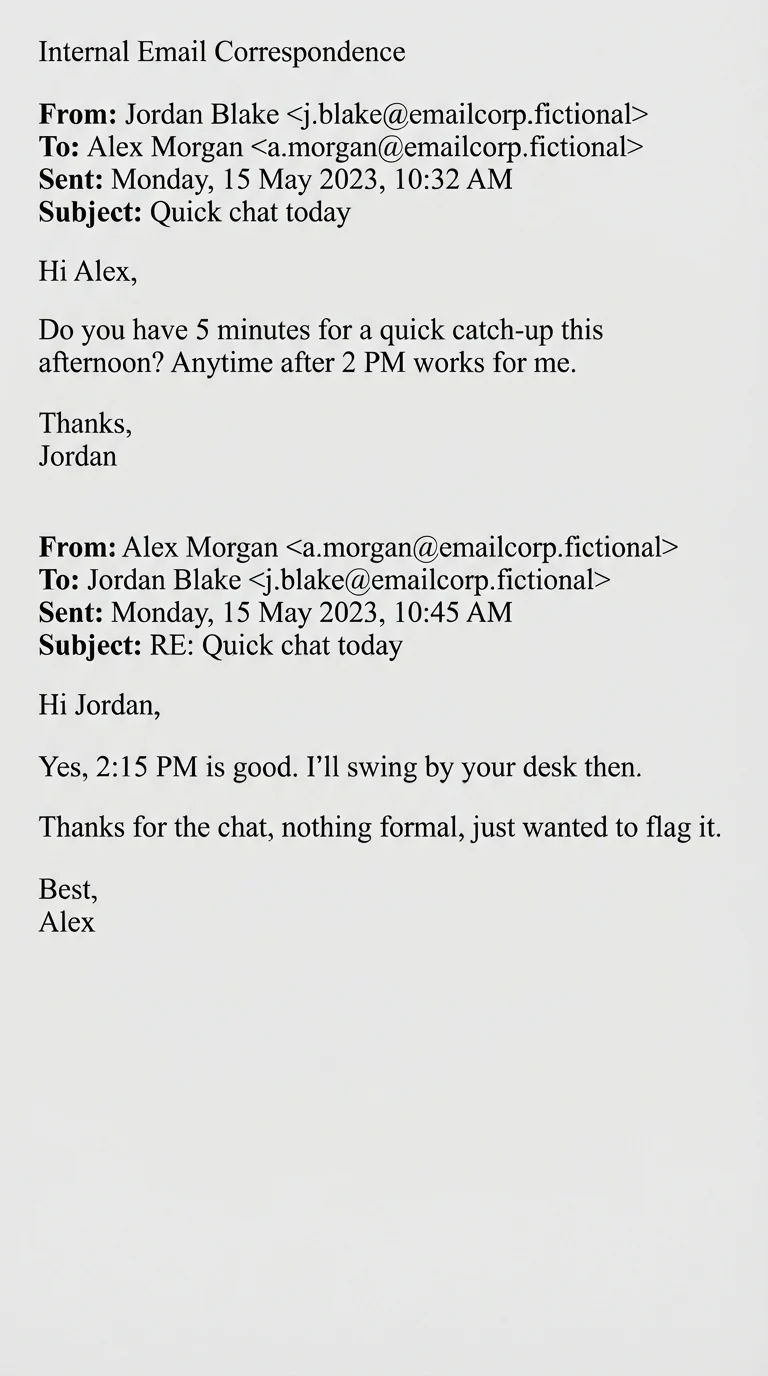
It flags what disagrees. You settle which is right.
Something wrong? Say so.
Correct anything, from anywhere in your case, in plain words. The old reading is struck through, never deleted, and everything built on it checks itself again.
The dismissal letter says a written warning was given on 15 May. The person replies that it was a quick catch-up with nothing in writing. The record strikes the old reading, writes theirs in as their word until a record says otherwise, and three things that rested on it re-check.
It asks. And shows you why.
It asks what your papers can’t tell it. Ask where a question came from, and it shows you the passage, cut from the page. Click it, and the page opens at the line.
A question card asks whether either of the two written warnings was received in writing. Asked where the question comes from, the card answers with the passage cut from the dismissal letter, its words lit. Clicking the passage opens page 1 of the letter over the card, scrolled to the same lit words.
It knows what’s missing.
Every document your documents mention, ranked by what it would settle, and the gap it leaves in your story. Shown, never guessed.
Three documents the case mentions but does not hold are ranked by what each would settle; the written warnings the letter mentions come first, up next. The top one drops into its place on the timeline: a hatched gap between the catch-up on 15 May and the dismissal on 12 June.
Tell it you have one, or that you don’t. Either way the case knows.
Your case, kept.
Upload once and it stays. Every new document is read into what’s already there, and everything it touches updates.
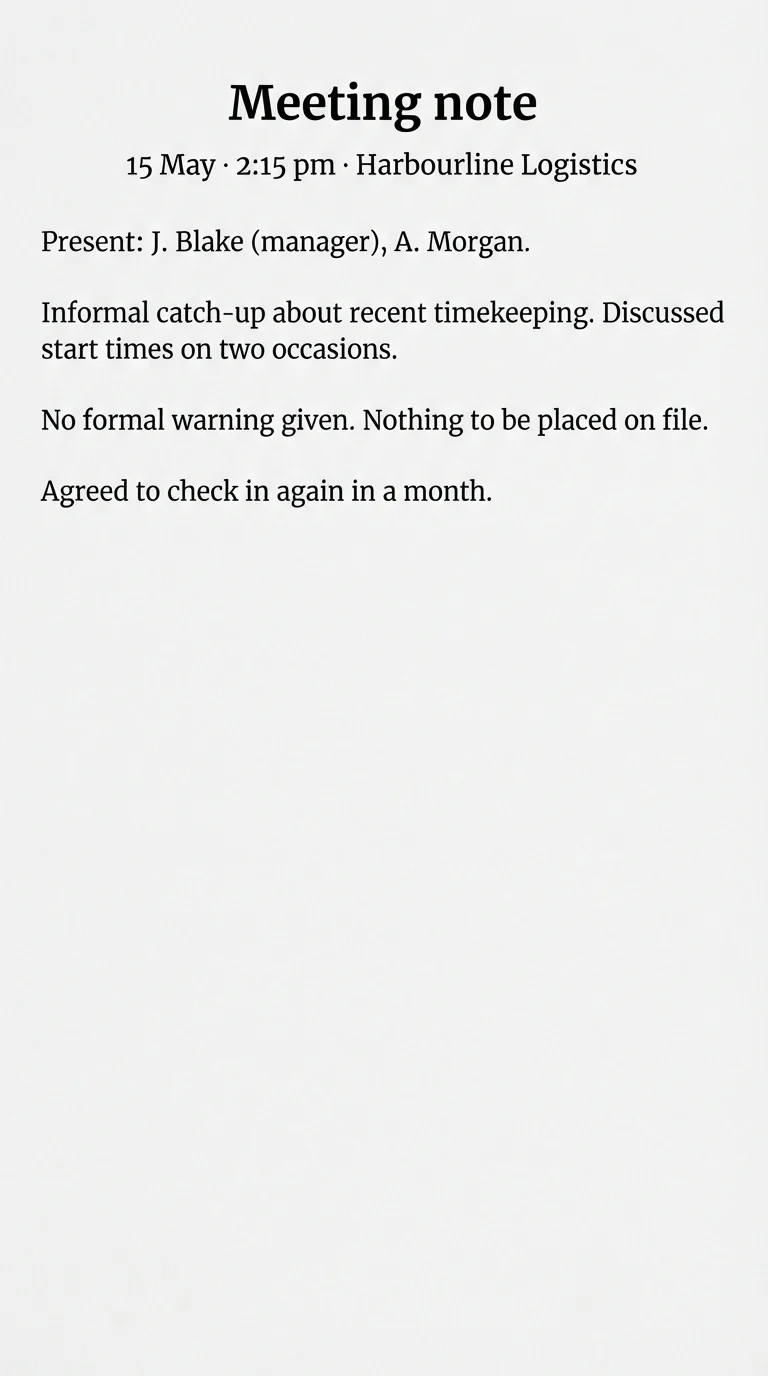
A week later, the notes of the 15 May meeting are uploaded and read. From them, four things update at once: the timeline gains the meeting, the notes are ticked off Still to find, the finding about the warnings gains a third source, and a prepared file says the notes landed after it was written.
The law, not a guess.
It looks for the actual text of each law your case names, and the court’s own rules, guidance and forms, from official sources only. Each one is marked with the date it was checked. If it can’t fetch one, it gives you the official link to download. Never from memory.
Two laws are searched for on the web. The first is found, downloaded, checked as the named statute and saved: 24k characters, encrypted in the case. The second can’t be verified, so it is marked Not held and the app asks for the text; nothing resting on it can be checked until it is there. Then the saved text of section 12 is shown with notes in its margins: for 12(1), concerns in writing, nothing on record; for 12(2), a chance to respond at a meeting, the meeting notes; for 12(3), being told of the appeal, the dismissal letter.
It shows what the law says and what your record holds. What it means for your case is for you, or a lawyer, to decide.
Where you stand.
What you want at the centre. Every argument around it, each showing what it stands on: a paper, a law, nothing against it, nothing missing. Never its chances.
The board for a fictional dismissal. At the centre: that the dismissal is found unfair and the notice pay is paid. Around it, four arguments: no written warning was ever given (documented, but the records disagree); the meeting was a catch-up, not a hearing (documented, nothing missing); the notice pay was never paid (one paper; the law is not held yet); the manager had no complaints before May (on your word alone). Opening the first shows the papers behind it, where the records disagree, the paper that would settle it, and the law it rests on.
It’s live. Hover a pin to follow its strings; open one to read what it stands on.
It drafts. You decide.
What your case can produce, from what it holds: the briefing for a new lawyer, the chronology, the bundle, the letter. Every line says which page it came from, and every word is yours to change.
The Prepare shelf for a fictional dismissal: For a new lawyer, Finding a lawyer, The chronology, The evidence bundle, A grievance letter, The tribunal bundle. The briefing for a new lawyer says the meeting notes landed after it was written. Opened, it shows the draft mark, its page budget, the ways to export it redacted or with the names, and its sections: the story in order with a page on every line, what you want, where it stands, the arguments and their papers, the pages that matter, what is missing, and questions to ask the lawyer. Refreshed, it re-makes its lines with the meeting notes in, marking what changed.
Try it: open a draft and change any line. It becomes yours, and a refresh leaves it alone.
Whatever it is, wherever you are.
A dismissal, a deposit, a custody dispute, a debt. The case is read for what it is, and what it can prepare changes with it.


Five kinds of case, each with something it can prepare for it: a hearing on the way, the hearing; custody and contact, the chronology; dismissed at work, a grievance letter; a tenancy gone wrong, a letter about the deposit; money you are owed, a letter before action.
In 60+ languages. Beta
Upload a paper in the language it was written in, and talk to your case in yours. A court letter in Spanish, messages in Arabic, a contract in Albanian: read as they are.
Type a language or pick one below.
Beta: how well it reads a language follows the language model underneath, and the most-used languages read best.
Not a chat. A case.
A chat answers what you ask. A case keeps everything you give it, and tells you what you didn’t think to ask.
You ask a question. The chat: Was I given a written warning? From what you’ve shared, it sounds like the letter mentions two written warnings. It may be worth checking your records. The case: Was I given a written warning? The dismissal letter says two were given. The notes of the 15 May meeting record “no formal warning given”, and the case holds no warning itself. the dismissal letter · p. 1 the meeting notes · p. 1 Two papers disagree. The chat: Nothing, unless you think to ask. Ask anything The case: Findings Two written warnings, or a quick catch-up? The letter, the emails and the meeting notes disagree · 3 documents Something is missing. The chat: You keep track of that yourself. Ask anything The case: The written warnings the letter mentions Up next They would settle whether you were warned in writing. Three months later. The chat: Dismissal help Warning letter question Is this unfair? Re: payslip Appeal deadline?? New chat The case: 6 Evidence 17 Timeline 67 Facts Prepare · For a new lawyer Version 2, with the meeting notes in. Every line says which page it came from.