
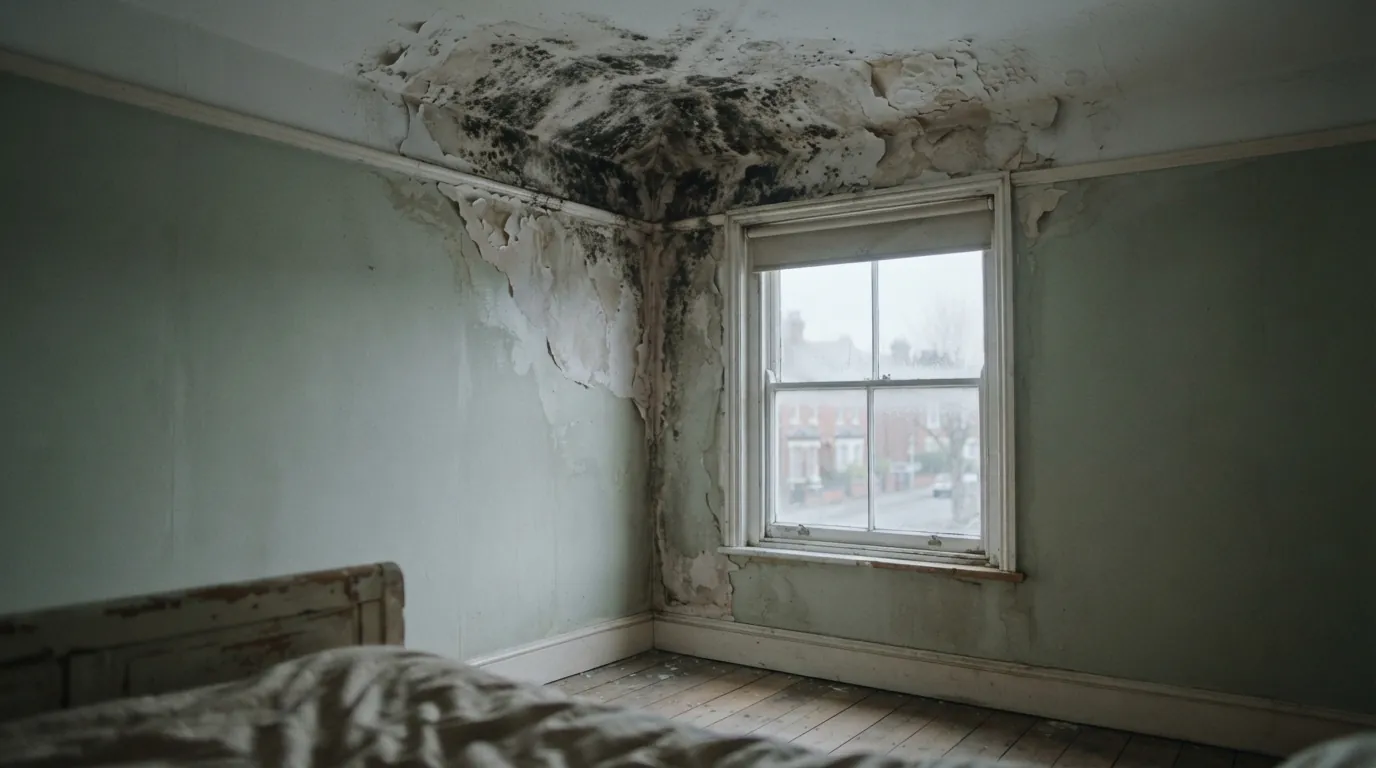
Repairs and mould my landlord won’t fix.
Landlords everywhere this guide covers must keep a rented home in repair, and serious damp and mould can make a home unfit to live in. The path is the same almost everywhere: report it in writing, give a fair chance to fix it, keep paying rent, and keep a record. Then the official routes are there if nothing happens.
If a child or anyone is in danger now, call 999 (UK), 112 (Ireland), 000 (Australia), 911 (US and Canada) or 111 (New Zealand).
How it works
From the first report to an order.
Tap each stage to see what usually helps. What the landlord must do, and where you can go, differ by place: choose yours below.
A general outline. Every home is different.
General information, checked against official sources on 2 October 2026. It isn’t advice about your case. The rules in their own words ↓
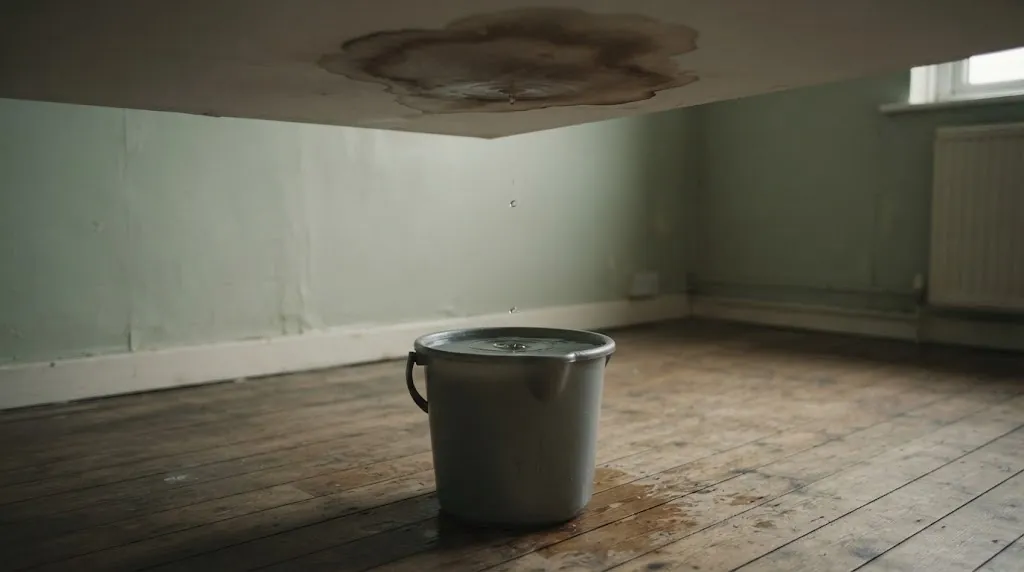
Building your record
The record that shows what happened.
Seven habits that keep a clear record:
- Photograph it, with dates.The same spot, every week or two, so the spread is visible.
- Report in writing.Email, text or letter, and keep copies of every reply.
- Keep a simple log.Date reported, date of each visit, what was done, what wasn’t.
- Note the effect on you.Health, sleep, damaged belongings. Keep any doctor’s letters.
- Get independent evidence.A council or code inspection report carries weight.
- Keep paying rent.In full and on time, unless an official process says otherwise.
- Do your part.Air rooms, wipe light mould where it’s safe, and report new problems straight away.
If a problem is dangerous, like a gas smell or exposed wiring, report it immediately and contact the emergency service.
Free tool
Your photos, in one dated PDF.
Drop in your photos of the damp, mould or damage, in date order, and get one PDF to send with your complaint. It runs in this browser; nothing is uploaded.
Keep the messages too: turn a chat into a dated transcript →
See it in the app
Every report and reply, in order.
- Add your papers.Repair emails, photos, the agreement. Before the language model reads a word, names become tags.
- It spots what doesn’t add up.“Treated and fixed”, then “come back in the same place”: both quoted, with the date of each.
- It quotes the law where you live. Coming in early accessThe sections that apply to your case, in the law’s own words, with a link to the official text. Change the country above and it changes too.
- It prepares the complaint.Every report and reply in order, each with its email and photo. Marked draft: you check it before it goes.
Sample case. Names and papers are fictional. PROVEAiBLE is built for any case where papers matter.
What the rules say
The rules, in their own words.
Five questions about repairs, damp and mould, answered only from the law and official guidance, with the passage that answers it highlighted.
Quoted from the official text. It isn’t advice about your tenancy, and the law changes: check the official site. Renting law is set by each Australian state, US state and Canadian province; New South Wales, California and Ontario are shown as examples.
Questions people ask
The questions that keep you up at night.
Can I stop paying rent until it’s fixed?
Generally no. In England, Ireland, New South Wales, Ontario and New Zealand the official guidance says to keep paying. California allows a limited repair-and-deduct (up to one month’s rent, twice a year), and its Attorney General warns that withholding can put you at risk of eviction.
Is mould my fault?
It depends on the cause. In New South Wales responsibility depends on how it developed; England’s guidance says it’s unreasonable to blame damp and mould on tenants’ “lifestyle choices”; in New Zealand homes must be free of mould before they’re let, and tenants must keep them aired.
Can I fix it myself and send the bill?
Only in specific cases: urgent repairs in New South Wales (up to $1,000) and New Zealand, limited reimbursement in Ireland, and repair-and-deduct in California. Otherwise use the official routes first.
Will my landlord evict me for complaining?
Some places protect against that: in New South Wales and New Zealand, a notice given in retaliation can be challenged. Keep your complaints in writing so the timing is clear.
What is Awaab’s Law?
In England, from 27 October 2025, social landlords (councils and housing associations) must make emergency hazards safe within 24 hours and investigate significant damp and mould within 10 working days. It doesn’t yet apply to private renting.
Do I need a lawyer?
Not always. Councils, boards and tribunals handle many of these complaints for tenants without lawyers. Free advice services can tell you whether your situation needs one.
You’re not alone
You don’t have to do this alone.
Many tenants handle these problems without a lawyer, using services built for them. Free advice can tell you whether your situation needs a lawyer, especially if your home or a large sum is at stake.
Showing help for England. Change it with “Where you live” above.
“I built this after going through a court case myself.” — Andrew, founder
With a lawyer or without one, walk in with your papers in order.
PROVEAiBLE reads your papers, sets out the facts with their pages, shows where the papers disagree, quotes the law for where you live, and prepares your papers for the hearing. It never tells you which legal step to take, or how it will turn out. Law for more countries: coming in early access
Sources, checked 2 October 2026
- England: Landlord and Tenant Act 1985; GOV.UK; GOV.UK; GOV.UK
- Ireland: Residential Tenancies Act 2004 (revised); Residential Tenancies Board; Housing (Standards for Rented Houses) Regulations 2019 (S.I. No. 137 of 2019); Residential Tenancies Board; Residential Tenancies Board
- Australia: Residential Tenancies Act 2010 (NSW); NSW Fair Trading; NSW Fair Trading
- United States (California): California Civil Code; California Attorney General; California Health and Safety Code; California Civil Code
- Canada (Ontario): Residential Tenancies Act, 2006 (Ontario); Landlord and Tenant Board; O. Reg. 517/06 Maintenance Standards (under the RTA 2006)
- New Zealand: Residential Tenancies Act 1986; Tenancy Services; Tenancy Services
General information, not legal advice. Laws, rules and court processes change; check the official pages and your own papers before you act.